
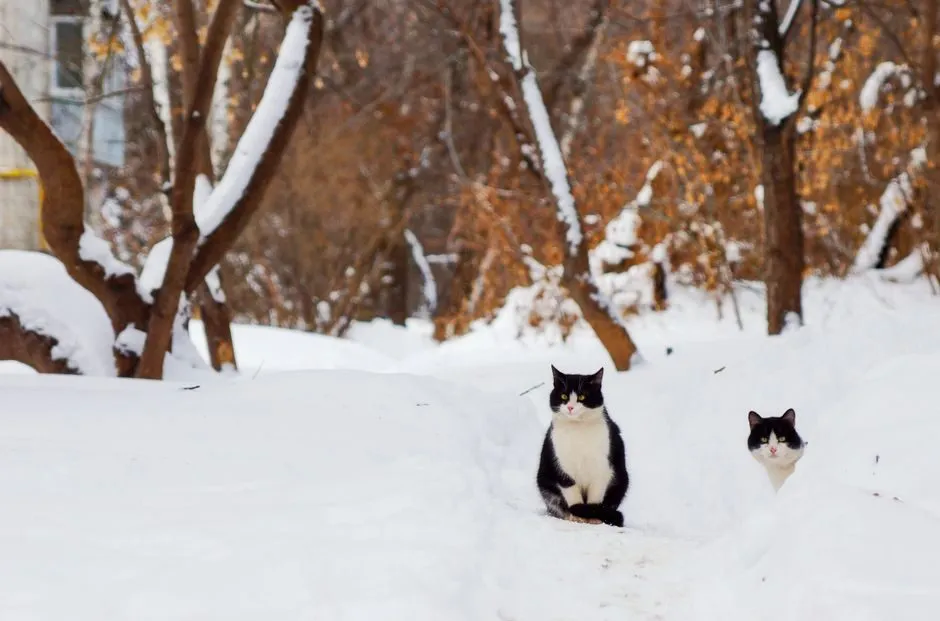

Charlotte’s winters may not bring the harshest snow, but the city’s cool, damp November days and chilly nights can still spell trouble for household pets and indoor companions. Whether you share your home with a playful dog, a curious cat, or even a small mammal like a rabbit or guinea pig, understanding how to keep them safe as temperatures drop is essential. At Ark Veterinary Services, located at 6444 Albemarle Rd, Charlotte, NC 28212, our veterinary team is committed to helping pet owners in Charlotte and surrounding communities recognize, prevent, and respond to cold-weather risks. In this guide, you’ll learn how to spot early signs of hypothermia and frostbite, why cold weather affects pets differently than people, and what you can do to keep your pets healthy and comfortable all season long. We’ll also outline when it’s time to contact a veterinarian and how our services can support your companion’s well-being during the colder months.
Recognizing Cold-Weather Injuries in Dogs, Cats, and Small Mammals
Understanding the warning signs of cold-related injuries can make all the difference when it comes to protecting your pet. Hypothermia, frostbite, and joint stiffness are among the most common cold-weather concerns seen by our team during Charlotte’s late fall and winter.
For hypothermia, key symptoms include shivering, lethargy, weakness, pale or cool extremities, and a noticeable drop in body temperature. Pets may seem confused, have trouble walking, or even collapse in severe cases. Frostbite often appears as pale, gray, or bluish skin on ears, tails, and paws; affected areas may become swollen, cold to the touch, and later turn red or black as tissue damage progresses.
Joint stiffness is particularly common in older dogs and cats or those with arthritis. Owners may notice that their animal is reluctant to move, has difficulty rising after rest, or seems less interested in activities they usually enjoy. In small mammals, cold stress can show as huddling, lack of appetite, or less activity than usual.
If your pet displays any of these changes, it’s important to respond quickly, since delayed care can lead to long-term complications or even become life-threatening.
Why Do Pets Get Cold-Weather Injuries? Understanding Local Risks
Pets in Charlotte face unique cold-weather hazards due to the region’s climate. Although extreme temperatures are rare, damp air and brisk wind chills can quickly sap body heat from companion animals, especially those left outdoors or in unheated indoor spaces like garages and porches.
Certain pets are more at risk. Short-haired breeds, young puppies and kittens, geriatric animals, and those with underlying medical conditions have a harder time maintaining normal body temperature. Small mammals such as rabbits, guinea pigs, and ferrets are especially sensitive to cold drafts and sudden shifts in temperature, making them vulnerable even indoors if their enclosure is near a window or cold floor.
Joint stiffness in dogs and cats is often aggravated by chilly, damp weather. Arthritis symptoms can worsen as muscles and connective tissues contract in response to the cold, making movement painful and reducing your companion’s quality of life.
Frostbite occurs when the body redirects blood flow away from extremities to preserve core warmth. This lack of circulation causes tissues in the ears, paws, or tail to freeze, resulting in cell damage. Hypothermia sets in when a pet’s body loses heat faster than it can generate, causing vital systems to slow down and potentially leading to organ failure if not addressed.
Understanding these risks is the first step toward effective prevention and prompt intervention.
Professional Treatment for Cold-Weather Injuries
If your pet is suffering from hypothermia or frostbite, immediate veterinary attention is crucial. At Ark Veterinary Services, our Charlotte-based veterinarians are experienced in evaluating cold-weather injuries and delivering the care your pet needs to recover comfortably and safely.
Treatment for hypothermia involves gradual rewarming, monitoring of vital signs, and supportive care such as intravenous fluids and oxygen therapy if required. For pets suffering from severe exposure, we may recommend hospitalization to ensure close observation and manage complications as they arise. The use of oxygen therapy can be particularly valuable for animals with respiratory distress or those whose organs are affected by low body temperature.
Frostbite is managed by slowly warming the affected tissues, providing pain relief, and monitoring for infection or tissue death. In severe cases, surgery may be necessary to remove damaged tissue. Our team may use digital radiology to assess the extent of tissue injury, particularly in cases where deep damage is suspected.
For joint stiffness and pain exacerbated by cold weather, our veterinarians can recommend a combination of anti-inflammatory medications, therapeutic laser treatments, and tailored exercise plans. K-Laser therapy offers a non-invasive option to reduce inflammation and support mobility for pets dealing with arthritis or other chronic conditions.
Throughout every step, our primary goal is to restore your pet’s comfort, prevent further injury, and provide the supportive care necessary for a full recovery.
Home Care and Prevention: Keeping Your Pet Safe and Comfortable
Fortunately, most cold-weather injuries are preventable with a few practical steps tailored to your pet’s needs and lifestyle. Dogs and cats should be kept primarily indoors during cold snaps, with outdoor activities limited to brief, supervised outings. Be attentive to the weather forecast and adjust your walking and exercise routines accordingly.
For those with dogs, consider using pet-safe sweaters or jackets for breeds with thin fur or pets who are particularly sensitive to the cold. Always dry your animal thoroughly after walks in wet or snowy conditions, paying special attention to paws and ears. Pet-safe de-icing products are preferable to regular salt, which can irritate and injure paw pads.
Cats, especially those who are used to roaming outdoors, should be brought inside overnight and during particularly cold or wet weather. Ensure that their bedding is warm, dry, and elevated off cold floors. For small mammals like rabbits or guinea pigs, keep enclosures away from windows, doors, and drafts. Provide ample bedding material, and check water bottles frequently to ensure they don’t freeze or become too cold.
Joint stiffness can be mitigated by providing warm, cushioned bedding and encouraging gentle activity to keep muscles limber. For animals with known arthritis, ask your veterinarian about supplements or therapies that may help during the winter months.
Regular preventive veterinary care also plays a key role in keeping your pet healthy throughout the season. Our team can assess your pet’s risk factors and help you develop a winter wellness plan tailored to their unique needs.
When to Seek Veterinary Care for Cold-Weather Concerns
It’s important to know when cold-weather injuries require professional intervention. Immediate veterinary attention is necessary if your pet is showing signs of hypothermia such as persistent shivering, weakness, confusion, or loss of consciousness. Frostbite should always be evaluated by a veterinarian, especially if skin appears pale, blue, swollen, or turns black. Pets with ongoing joint pain or sudden lameness deserve a prompt assessment to rule out more serious underlying problems.
Charlotte pet owners should never attempt to rapidly rewarm a severely chilled animal at home, as this can cause additional harm. Instead, wrap your pet gently in warm blankets and seek care as soon as possible. Our veterinary team at Ark Veterinary Services is available to provide comprehensive evaluations and treatment for cold-weather injuries, and our hospital is equipped to monitor pets who need close observation or advanced therapies.
For pets with ongoing medical concerns, worsening arthritis, or special cold-weather needs, scheduling a comprehensive physical examination can provide peace of mind and keep your companion comfortable throughout the winter.
Safeguarding Charlotte’s Pets: Your Local Partner for Winter Pet Health
As the temperatures drop in Charlotte, keeping your pets safe and healthy requires both vigilance and preparation. By understanding the signs of cold-weather injuries, taking proactive steps at home, and knowing when to seek veterinary care, you can ensure your companion stays comfortable and protected all winter long.
If you’re concerned about your pet’s health during the colder months or need guidance on winter wellness, our team of veterinarians at Ark Veterinary Services is here to help. We encourage you to schedule an appointment for a seasonal check-up, discuss your pet’s unique needs, or reach out with questions about cold-weather safety. For those searching for a veterinarian near me in Charlotte and surrounding communities, we hope you’ll trust us as your partner in pet care.
To book an appointment or learn more about our winter health services, call us at (704) 675-7387 or visit our hospital at 6444 Albemarle Rd, Charlotte, NC 28212. Your pet’s comfort and wellbeing are our highest priorities, all year round.
This blog is intended for educational purposes only and does not replace professional veterinary advice. If your pet is experiencing symptoms of hypothermia, frostbite, or severe joint pain, contact your veterinarian immediately.
Our Latest Stories
 November 18, 2026 · 7 min read
Preparing Cattle and Farm Animals for Cool Charlotte Weather
Learn how to prepare cattle and other farm animals for Charlotte’s cool-weather swings with guidance on nutrition, shelter, water, and preventive health.Read More November 13, 2026 · 7 min read
Keeping Barn Cats Healthy During Cool Charlotte Falls
Help barn cats stay healthy through Charlotte’s cool fall with practical shelter, feeding, parasite prevention, and veterinary care guidance.Read More November 11, 2026 · 7 min read
Fall Allergy Management for Pets in Charlotte
Learn to recognize fall allergy signs in pets, limit common Charlotte-area triggers, and know when home care or veterinary treatment can help.Read More
Ready to schedule a visit?
Herds, horses, pigs or the whole barn: tell us who needs care and we'll find a time to come out to your farm.