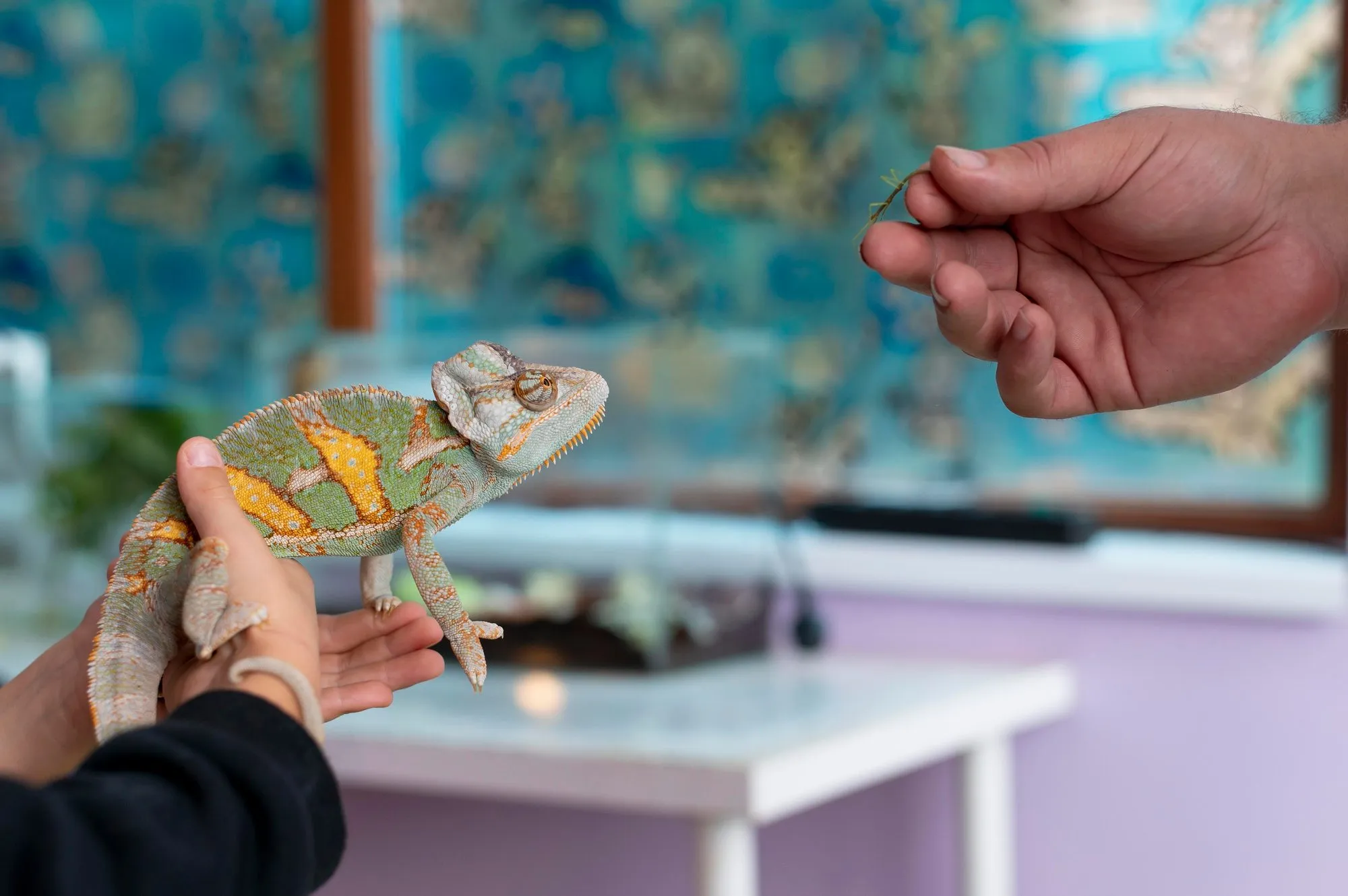

As autumn settles into Charlotte and temperatures begin to dip, exotic pet owners face unique challenges to ensure their birds, reptiles, and small mammals stay healthy, safe, and comfortable indoors. While the cool, crisp air can be a welcome relief from the summer heat, the changing season requires careful attention to habitat setup, temperature regulation, and monitoring for early warning signs of illness. At Ark Veterinary Services, our team understands how local climate shifts can impact exotic species and is here to help you navigate the transition with confidence. In this blog, we will explore why fall presents specific concerns for exotic pets, how to recognize potential problems, and what steps you can take at home to keep your companion thriving all season long. We will also share when it is time to reach out to your veterinarian for professional care so you can feel confident in your ability to support your exotic pet’s wellbeing. For those seeking expert exotic and avian veterinary care in Charlotte and surrounding communities, we invite you to learn more about our specialized services at 6444 Albemarle Rd, Charlotte, NC 28212 and discover the difference compassionate, knowledgeable support can make.
Recognizing Fall Risks: Signs Your Exotic Pet May Be in Distress
Cooler weather brings a host of environmental shifts that can affect exotic pets differently than dogs or cats. For many species, even a small drop in temperature or humidity can trigger stress or illness. Key symptoms of trouble include lethargy, reduced appetite, labored breathing, or changes in behavior such as hiding more often or becoming unusually vocal. Birds may ruffle their feathers and seek out warm spots, while reptiles might become sluggish, avoid food, or develop respiratory symptoms like open-mouth breathing. Small mammals such as guinea pigs and rabbits can be especially sensitive to drafts, with warning signs including sneezing, nasal discharge, or shivering. If you notice feather loss, scale discoloration, dull fur, or changes in droppings, these can also indicate underlying health issues. Paying close attention to daily routines and quickly noticing any deviations is critical during seasonal transitions.
Why Exotic Pets Are Sensitive to Seasonal Changes
Exotic pets are particularly vulnerable to fluctuations in temperature and humidity because many originate from climates vastly different from North Carolina’s fall and winter patterns. Birds such as parrots and finches rely on stable ambient temperatures and may not tolerate cool drafts in the home. Reptiles like bearded dragons, snakes, and turtles depend on external heat sources to regulate their body temperature; a chilly habitat can quickly lead to a drop in immune function or metabolic slowdown. Small mammals, including ferrets, chinchillas, and rabbits, also require consistent warmth and are prone to respiratory infections if exposed to cold, damp air. Charlotte’s fall climate often brings sudden swings between warm afternoons and cool evenings, making it easy for indoor temperatures to fluctuate, especially near windows or doors. Understanding these species-specific requirements is essential to avoiding stress and illness as the seasons change.
Creating a Safe and Comfortable Indoor Habitat
Proper habitat setup is the foundation of fall safety for exotic pets. For birds, ensure cages are placed away from windows and doors to avoid drafts. Covering the cage at night can help maintain warmth, but be sure ventilation remains adequate. Reptile enclosures should feature thermostatically controlled heat sources, such as ceramic heat emitters or under-tank heaters, rather than relying on ambient room temperature. Use digital thermometers and hygrometers to monitor both temperature and humidity levels closely; for most reptiles, maintaining a basking spot and a cooler area within the enclosure is critical. Small mammals benefit from cozy bedding materials and enclosures positioned in draft-free, quiet areas. Avoid placing habitats near heating vents or radiators, as rapid temperature changes can be stressful. Additionally, always provide clean, fresh water and adjust feeding routines if your pet’s activity level shifts with the season. For more detailed guidance tailored to your pet’s species, our team at Ark Veterinary Services offers exotic and avian veterinary care, including habitat consultations and preventive health support.
Humidity and Air Quality Considerations
Fall and winter air in Charlotte can become quite dry, especially once home heating systems are in use. Many exotic species, particularly tropical birds and amphibians, require higher humidity levels than the average household provides during these months. Using a room humidifier or misting systems can help maintain appropriate conditions, but it is important not to over-humidify, as excess moisture can promote mold or bacteria growth. Good ventilation and regular cleaning of enclosures are essential to prevent respiratory issues. Monitor for signs such as sneezing, wheezing, or visible mold in bedding or on enclosure surfaces, and address any concerns promptly.
Home Care and Preventive Steps for a Healthy Fall Season
Proactive care at home can go a long way in protecting your exotic pet’s health during the cooler months. Daily checks for changes in appearance, appetite, and activity help you catch problems early. Maintaining a consistent lighting schedule is also important, as many birds and reptiles rely on regular light cycles for proper hormone regulation and immune function. Use full-spectrum bulbs where appropriate, and replace them according to manufacturer recommendations to ensure your pet receives necessary ultraviolet light. Enrichment is another key consideration; as pets spend more time indoors, providing toys, climbing branches, or hideouts can help prevent boredom and stress-related behaviors.
If your pet is recovering from illness or surgery, or if you have young, elderly, or immunocompromised animals, be especially vigilant. These individuals may have a harder time adjusting to environmental changes and may need more frequent monitoring or supplemental heating. For additional preventive strategies and individualized care plans, Ark Veterinary Services offers preventive veterinary care designed for exotic species, ensuring your companion receives the attention they need throughout every season.
When to Contact Your Veterinarian
While many seasonal concerns can be managed at home, some situations require prompt veterinary attention. If your exotic pet becomes lethargic, stops eating for more than 24 hours, has difficulty breathing, or shows signs of significant distress, do not wait to seek help. Other red flags include persistent feather or fur loss, open-mouth breathing in reptiles or birds, persistent sneezing or nasal discharge, sudden weight loss, or any signs of neurological problems such as tremors or loss of coordination. These symptoms can indicate underlying health issues that need immediate assessment and intervention.
Ark Veterinary Services in Charlotte is equipped to provide comprehensive evaluations, diagnostic testing, and advanced care for birds, reptiles, and small mammals. Our comprehensive physical examinations are specifically tailored to the unique requirements of exotic species, helping to identify problems before they become serious. If you are unsure whether your pet’s symptoms warrant a visit, it is always better to err on the side of caution and schedule an appointment to ensure your companion’s wellbeing.
Your Local Resource for Exotic Pet Safety and Care in Charlotte
As a dedicated provider of mixed-animal veterinary care, Ark Veterinary Services is committed to supporting exotic pet owners throughout Charlotte and the surrounding communities. With the arrival of fall, now is the perfect time to review your indoor habitat setup, refresh your knowledge of species-specific needs, and establish a solid plan for monitoring your companion’s health as the weather changes. Our team of veterinarians is always here to answer your questions, offer advice, and deliver the highest quality care for birds, reptiles, and small mammals.
If you are searching for a “veterinarian near me” who understands the unique needs of exotic pets, look no further than Ark Veterinary Services. Whether you need a routine wellness check, advanced diagnostics, or have concerns about your pet’s condition as temperatures drop, we are ready to help. Schedule an appointment today by calling (704) 675-7387 or visiting us at 6444 Albemarle Rd, Charlotte, NC 28212. For more information about our full range of services for exotic pets, explore our exotic and avian veterinary care and preventive veterinary care pages.
Your exotic companion deserves a healthy, stress-free fall season inside your home. With the right knowledge, preparation, and support from your veterinary professionals, you can ensure your bird, reptile, or small mammal stays safe and happy as the weather cools. If you ever have concerns, do not hesitate to reach out to our knowledgeable team for guidance and care tailored to your unique pet.
Our Latest Stories
 November 25, 2026 · 6 min read
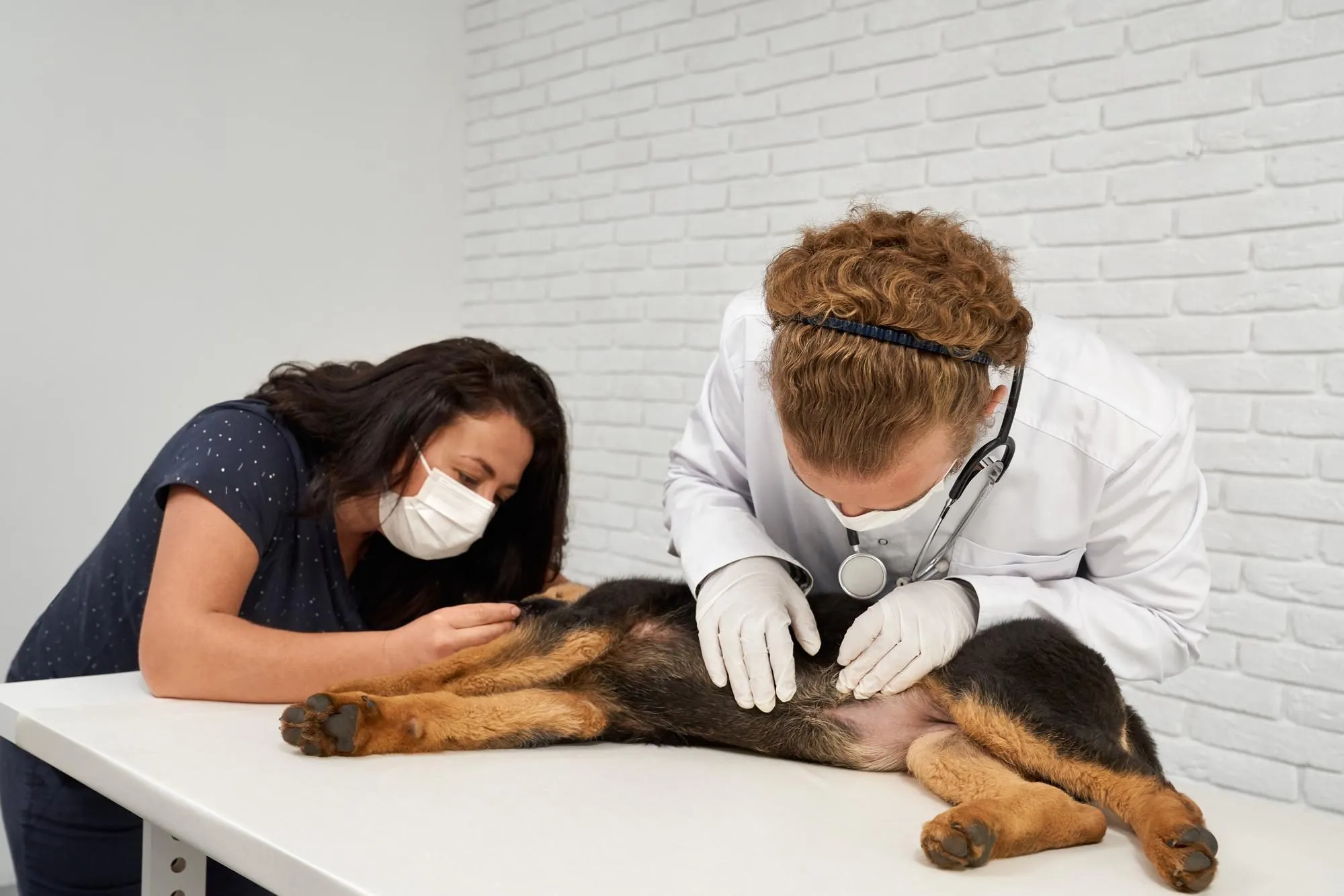
November Checklist: Pre-Winter Health Steps for Charlotte Pets
Use this November checklist to prepare dogs, cats, rabbits, and guinea pigs for winter with wellness exams, dental care, parasite prevention, and home-care tips.Read More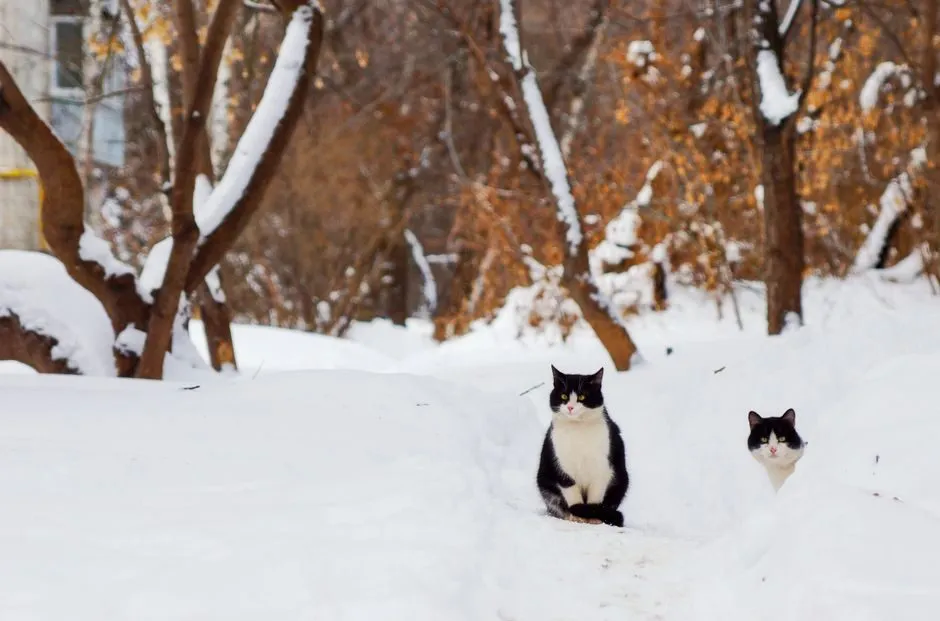 November 20, 2026 · 7 min read
How to Prevent Cold-Weather Injuries in Charlotte Pets
Learn to spot hypothermia, frostbite, and cold-related stiffness in pets, plus practical ways to prevent winter injuries and know when to seek veterinary care.Read More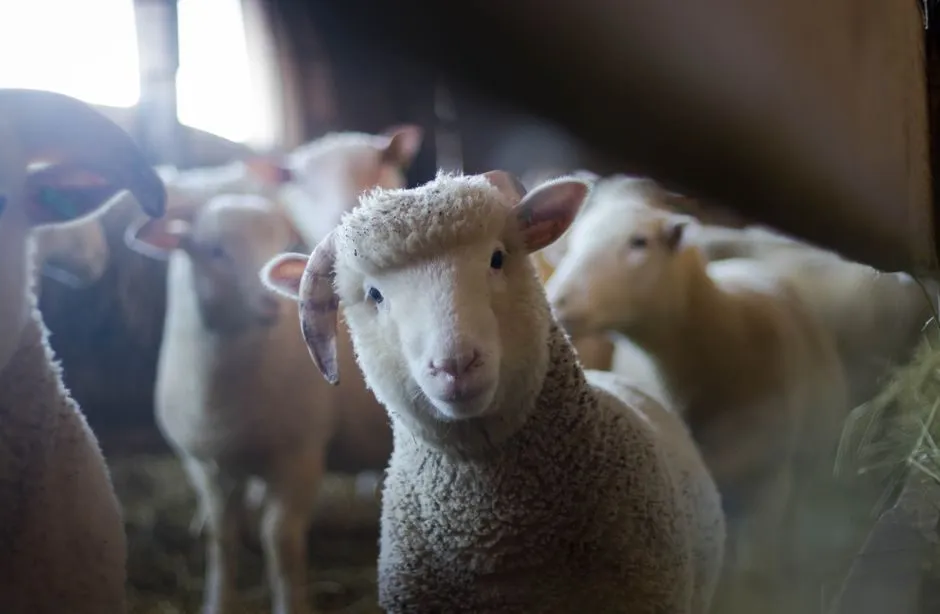 November 18, 2026 · 7 min read
Preparing Cattle and Farm Animals for Cool Charlotte Weather
Learn how to prepare cattle and other farm animals for Charlotte’s cool-weather swings with guidance on nutrition, shelter, water, and preventive health.Read More
Ready to schedule a visit?
Herds, horses, pigs or the whole barn: tell us who needs care and we'll find a time to come out to your farm.