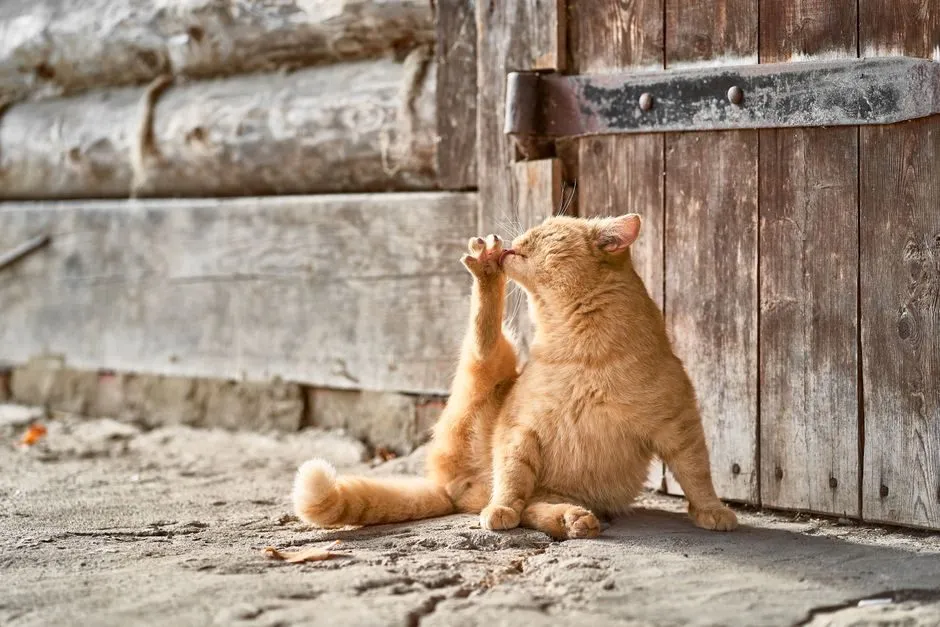

As autumn settles over Charlotte, the crisp air and shorter days bring unique challenges for those who care for barn cats. These working cats play an essential role in controlling rodents and maintaining the balance of your farm or property, but their health and comfort can be at risk when temperatures drop. Whether you manage a large operation, hobby farm, or rural property, ensuring your barn cats remain healthy through the cool fall months is an important part of responsible animal stewardship.
At Ark Veterinary Services, located at 6444 Albemarle Rd, Charlotte, NC 28212, we understand the vital role barn cats hold for producers and rural property owners throughout Charlotte and surrounding communities. This guide will walk you through the signs to watch for as the weather changes, key background on seasonal health risks, practical management strategies, and when to involve our veterinary team. With a focus on preventive care and actionable advice, our goal is to help your barn cats thrive all season long.
Recognizing When Fall Weather Affects Barn Cat Health
Barn cats are known for their hardiness, but cold, damp conditions can put even the toughest cats at risk. As a producer or property owner, it’s important to monitor your barn cats for subtle changes that may indicate they are struggling with the transition to cooler weather. Key symptoms suggesting a barn cat may be in distress include seeking shelter more frequently or remaining hidden, a rough or matted coat, visible weight loss, decreased activity, sneezing, nasal discharge, or watery eyes. Additionally, limping, ear tip injuries, or frostbite on extremities become more likely as temperatures approach freezing, especially in exposed or older cats.
Other warning signs to watch for are changes in appetite, increased lethargy, or abnormal vocalization. Cats that are normally active in the barn may suddenly isolate themselves or have trouble jumping to familiar perches. Behavioral changes such as aggression or excessive shivering may also signal discomfort or illness. If you notice any of these symptoms, it is time to evaluate both the cat’s environment and general health.
Why Cool Weather Creates Risks for Barn Cats
Understanding the unique risks of autumn for barn cats helps guide your management approach. In the Charlotte region, fall often brings fluctuating temperatures, damp mornings, and the possibility of sudden cold snaps. Barn cats, especially those that are older, very young, or have chronic illnesses, are more vulnerable to hypothermia and respiratory infections during this time.
Wet weather increases the risk of upper respiratory infections, as well as the spread of parasites like fleas and ticks, which remain active until a hard frost. Rodent populations may also surge in barns during fall, potentially exposing cats to diseases such as leptospirosis or toxoplasmosis. Additionally, as natural food sources dwindle and prey becomes less active, barn cats may expend more energy hunting with less nutritional reward.
Lack of adequate shelter or access to unfrozen water becomes a major concern as nights get colder. Cats that must sleep in open or drafty areas are more likely to suffer from cold-related stress, which weakens the immune system and makes them susceptible to illness. By understanding these seasonal risks, you can take proactive steps to safeguard your barn cats’ wellbeing.
Professional Veterinary Care for Barn Cats in the Fall
While barn cats may not always receive the same level of hands-on care as indoor pets, regular veterinary oversight is key to keeping them healthy and productive. At Ark Veterinary Services, our veterinary team offers comprehensive care tailored to the unique needs of working cats. This includes wellness checks, vaccination updates, parasite prevention, dental care, and treatment for injuries or illness.
A routine comprehensive physical examination is especially important as fall begins. During this visit, our veterinarians can assess body condition, check for signs of dental disease or injury, and screen for common illnesses that are more prevalent in barn environments. Preventive care also involves updating vaccination services to protect against feline respiratory viruses, rabies, and other infectious diseases that are more likely to spread as cats congregate in shelters or near food sources.
Parasite control forms a vital part of fall health management. Our veterinary professionals recommend scheduled deworming and flea/tick prevention, since parasite pressure often remains high until winter. Heartworm disease, while less common in cats than dogs, can still occur, especially in regions with prolonged mosquito activity. We offer heartworm testing as part of a broader preventive health program.
If injuries occur—whether from fights, predator encounters, or accidents in the barn—our team provides diagnostic and surgical services to manage wounds, lameness, or more serious emergencies. Prompt veterinary intervention can make a critical difference in recovery outcomes for barn cats.
Practical Steps to Keep Barn Cats Healthy at the Barn
Most producers and property owners want to support their barn cats’ health without compromising their independence or working role. There are several practical strategies you can implement to help your cats stay comfortable and protected as Charlotte’s temperatures cool.
Providing insulated, draft-free shelter is the most important step. This might involve retrofitting an existing outbuilding, offering access to haylofts, or creating homemade cat houses lined with straw (never blankets, which retain moisture). Placing shelters off the ground and in sunny locations maximizes warmth. Ensuring there are enough shelters for the number of cats on your property helps reduce competition and stress.
Nutrition is another key factor. As fall arrives, barn cats require more calories to maintain body heat. High-quality, high-protein food should be made available at regular intervals. Wet food is beneficial, but it can freeze overnight; consider feeding canned food in the afternoon and ensuring dry food is always accessible. Fresh, unfrozen water should be provided daily, using heated bowls or changing water frequently as temperatures drop.
Regularly monitoring your barn cats’ appearance and behavior allows you to spot minor health changes before they become serious. Handling may not always be possible, but observing from a distance or using trail cameras can help track who is present and how they are coping. Keeping feeding areas clean, disposing of old food, and minimizing rodent bait exposure all reduce the risk of secondary poisoning or disease transmission.
Finally, parasite prevention remains crucial throughout the fall. Consult your veterinarian about safe, effective flea, tick, and worm control methods for semi-feral cats. Many products are available in topical formulations that can be applied even if cats are not easily handled.
When to Seek Veterinary Care for Your Barn Cats
Even with the best preventive care, barn cats may occasionally require professional attention. It is important to know when to contact your veterinarian to avoid serious complications. Seek veterinary care immediately if you notice signs such as persistent coughing, labored breathing, open wounds, severe limping, inability to eat or drink, or signs of hypothermia like extreme lethargy and cold extremities. Rapid weight loss, abscesses, or head tilts should also prompt a call to the veterinary clinic.
If you are unsure whether a symptom is serious, err on the side of caution and schedule an appointment with the Ark Veterinary Services team. Our farm and exotic veterinary care services are designed to address the full spectrum of health needs for barn cats and other working animals. For ongoing preventive care, our preventive veterinary care page provides additional details about keeping barn cats healthy throughout the year.
Remember that timely veterinary intervention can often prevent a minor issue from becoming a major health crisis. Annual or semi-annual checkups are especially important for older barn cats or those with chronic conditions.
Supporting the Health of Barn Cats in Charlotte and Beyond
Barn cats are an asset to any rural property or agricultural operation, contributing both as skilled hunters and as valued members of the farm ecosystem. As the days grow shorter and temperatures dip, taking proactive steps to support their health ensures they continue to thrive and provide the benefits you rely on.
By providing shelter, nutrition, clean water, and consistent parasite prevention, you reduce the risk of illness and injury. Coupled with regular veterinary oversight from a practice like Ark Veterinary Services, you can feel confident your barn cats are well cared for through the Charlotte fall and into the winter.
If you have questions about seasonal health management for your barn cats or would like to schedule a wellness check, our veterinary team is here to support you. Contact us at (704) 675-7387 or visit us at 6444 Albemarle Rd, Charlotte, NC 28212 to discuss your needs. When searching for a veterinarian near me who understands the unique needs of barn cats and agricultural operations, Ark Veterinary Services is committed to providing comprehensive, compassionate care for all animals in Charlotte and surrounding communities.
For more information on keeping your barn cats healthy year-round, explore our resources on preventive veterinary care or reach out to our veterinary professionals for personalized guidance. Together, we can help your barn cats stay healthy, comfortable, and ready for whatever the season brings.
Our Latest Stories
 November 11, 2026 · 7 min read
Fall Allergy Management for Pets in Charlotte
Learn to recognize fall allergy signs in pets, limit common Charlotte-area triggers, and know when home care or veterinary treatment can help.Read More November 6, 2026 · 6 min read
November Pet Dental Health Tips for Dogs and Cats
Learn how to spot dental disease, maintain your pet’s oral health at home, and know when to seek professional dental care in Charlotte.Read More November 4, 2026 · 8 min read
Safe Holiday Foods and Hazards for Pets and Livestock
Learn which holiday foods pets and farm animals can safely enjoy, which to avoid, and how to respond if an animal eats something hazardous.Read More
Ready to schedule a visit?
Herds, horses, pigs or the whole barn: tell us who needs care and we'll find a time to come out to your farm.