
As the leaves fall and temperatures begin to dip in Charlotte, November brings an important transition for animal health—whether you are caring for a beloved dog, a curious cat, or even a pocket pet like a rabbit or guinea pig. At Ark Veterinary Services, our team understands how seasonal changes can affect the wellbeing of animals in our community and the surrounding areas. Preparing your companion animals for the colder months is essential for their comfort, immune health, and safety. In this comprehensive November checklist, we will walk you through the most important health steps for your pets before winter sets in. From routine wellness exams and dental care, to parasite checks and nutrition adjustments, discover what you can do now to help your dogs, cats, and small mammals thrive all season long. We will also share when to schedule a visit at our Charlotte clinic at 6444 Albemarle Rd, Charlotte, NC 28212 for optimal winter wellness and how our veterinary professionals can support your pet’s unique needs.
Spotting Early Signs: Does Your Pet Need a Fall Health Check?
With the shift to cooler, shorter days, pets often display subtle changes in behavior or health that may signal the need for extra care. Watch for changes such as increased lethargy, stiffness after rest, dull or shedding coats, sneezing or respiratory congestion, and reluctance to go outdoors. Dental issues can also manifest as bad breath, pawing at the mouth, or difficulty eating. For small mammals and pocket pets, look for changes in eating habits, decreased activity, or puffed up fur, which can be early signs of cold stress.
Some pets, especially seniors or those with chronic conditions, may be more sensitive to colder weather. Arthritis symptoms can worsen, and underlying conditions may flare up as the temperature drops. If your pet has been less enthusiastic about walks, is grooming less, or seems more withdrawn, these may be subtle cues that a health check is in order.
Why Pre-Winter Exams Matter
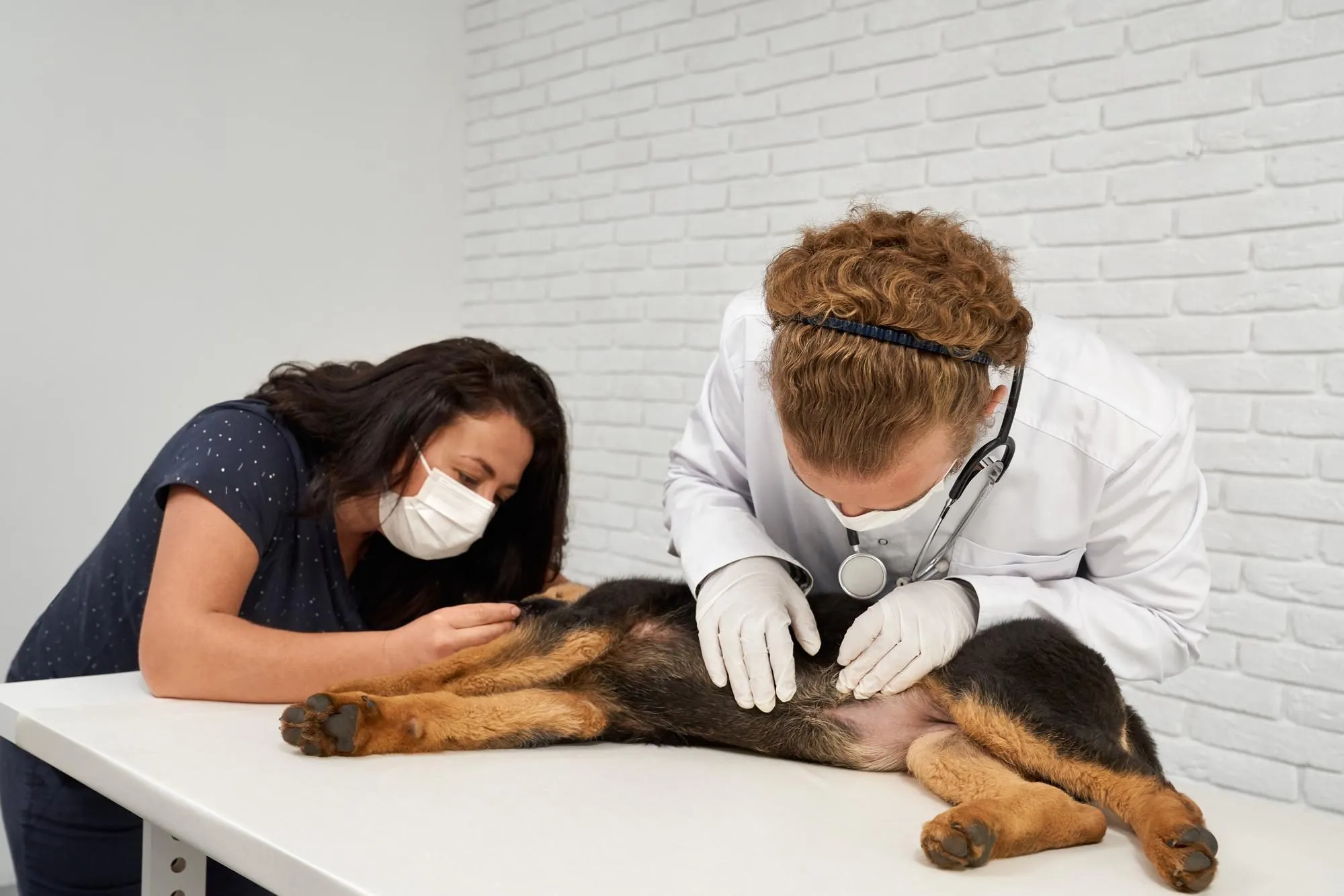
November is an ideal time to schedule a comprehensive physical exam for your pets. These checkups allow our veterinary professionals to detect hidden issues such as dental disease, heart problems, or early arthritis before they become more serious during the winter months. The transition to colder weather can suppress immune systems, making pets more susceptible to respiratory infections, skin conditions, and joint pain. Early diagnosis and intervention help ensure that your dog, cat, or small mammal is prepared for the challenges of the season.
In addition, indoor heating and less outdoor activity can lead to weight gain or changes in hydration status. Our veterinary team evaluates your pet’s body condition, nutrition, and hydration to help you make seasonal adjustments that support overall vitality.
Dental Health: More Than Just a Pretty Smile
Dental care is a critical and often overlooked aspect of pre-winter pet health. Gum disease, tartar buildup, and oral pain can worsen in the colder months, especially when pets are less active or spend more time indoors. Symptoms of dental issues include drooling, difficulty chewing, red or bleeding gums, and even changes in behavior such as irritability.
A professional teeth cleaning can remove harmful tartar and prevent gingivitis, reducing the risk of bacteria entering the bloodstream and affecting heart, liver, or kidney function. Our veterinary professionals also examine for loose teeth, oral tumors, or other hidden problems during your pet’s dental visit. Addressing dental health now means your pet can enjoy their meals and playtime without discomfort throughout the winter.
Parasite Prevention: Don’t Let Cold Weather Fool You
Many pet owners believe that flea, tick, and heartworm risks disappear with cold weather, but in Charlotte’s mild climate, parasites often remain active well into winter. Fleas and ticks can survive on wildlife or in sheltered areas, while heartworm-carrying mosquitoes may still emerge during warm spells.
Signs of parasite problems include scratching, hair loss, visible fleas or ticks, coughing, or unexplained weight loss. Preventive care is vital; continued use of parasite medications and routine heartworm testing safeguard your pet’s health year-round. Our team recommends tailored parasite prevention plans based on your pet’s lifestyle, exposure, and health status, ensuring your companion stays protected as seasons change.
Nutrition and Weight Management for the Winter Months
Nutrition needs can shift in the colder months. Pets may require adjustments to their diet to maintain an ideal body condition, especially if their activity levels decrease. Extra weight can put additional strain on joints, while underweight pets may struggle to stay warm. Our veterinary team can recommend specific feeding guidelines, portion control strategies, and suitable treats to help your pet maintain a healthy weight during the winter.
For small mammals, providing extra bedding material and ensuring access to fresh, high-fiber food like hay can help combat cold stress and maintain digestive health. Guinea pigs and rabbits, in particular, are sensitive to changes in temperature and benefit from a stable, draft-free environment.
Home Care Tips: Keeping Pets Comfortable as Temperatures Drop
Simple adjustments at home can make a big difference for your pet’s comfort and health. Ensure your dog or cat has a cozy, draft-free sleeping area away from windows or doors. For pets that spend time outdoors, provide shelter with insulation and plenty of fresh water, checking often to prevent freezing.
Encourage indoor play and gentle exercise to keep joints flexible and maintain muscle tone. Regular grooming helps manage shedding and supports skin health, especially as indoor heating can dry out the coat. For pocket pets, increase bedding depth and monitor for signs of cold stress or reduced appetite.
Always keep pets away from space heaters, open flames, or electrical cords, as these can pose hazards during the winter months.
When to Schedule a Veterinary Visit
It is important to know when your pet needs professional attention. If you observe persistent coughing, sneezing, labored breathing, significant changes in appetite, vomiting, diarrhea, or lameness, a prompt veterinary evaluation is necessary. Pets with chronic illnesses, seniors, or very young animals should be seen for a pre-winter exam to address any underlying risks.
If you are unsure whether your pet needs a checkup, a preventative care consultation can help you make informed decisions and catch potential problems before they become emergencies. Our veterinary professionals at Ark Veterinary Services provide thorough health assessments and practical guidance tailored to your animal’s needs.
Supporting All Species: Ark Veterinary Services’ Approach
At Ark Veterinary Services, we are proud to serve a wide range of animals in Charlotte and surrounding communities. Whether you care for dogs, cats, rabbits, or more unusual pocket pets, our veterinarians have the experience and resources to support wellness through every season. Our diagnostic laboratory services enable us to quickly identify health concerns, while our comprehensive approach ensures that every aspect of your animal’s wellbeing is addressed as winter approaches.
Our team encourages ongoing partnerships with animal owners to provide education, preventive medicine, and compassionate care. From internal medicine and dental cleanings to personalized nutrition advice, we are here to help your animals thrive in the colder months and beyond.
Ready for Winter? Schedule Your Pet’s Pre-Season Checkup Today
Preparing your pet for winter is one of the most important steps you can take to ensure their comfort and health. Scheduling a comprehensive physical exam, addressing dental needs, continuing parasite prevention, and fine-tuning your pet’s nutrition all protect their wellbeing as the temperatures drop. If you have questions or concerns about your animal’s readiness for winter, our veterinary team at 6444 Albemarle Rd, Charlotte, NC 28212 is here to help.
To schedule your pet’s fall health exam or learn more about our seasonal care recommendations, call (704) 675-7387 or visit our website. When searching for a veterinarian near me, remember that Ark Veterinary Services is committed to supporting animals of all kinds in Charlotte and nearby communities with warmth, expertise, and dedication. Let us help your pets enter winter in their best health—contact us today for compassionate care tailored to your animal’s unique needs.
This blog is for informational purposes only and is not a substitute for professional veterinary care. If your pet is experiencing urgent symptoms, contact a veterinarian promptly.
Our Latest Stories
 November 20, 2026 · 7 min read
How to Prevent Cold-Weather Injuries in Charlotte Pets
Learn to spot hypothermia, frostbite, and cold-related stiffness in pets, plus practical ways to prevent winter injuries and know when to seek veterinary care.Read More November 18, 2026 · 7 min read
Preparing Cattle and Farm Animals for Cool Charlotte Weather
Learn how to prepare cattle and other farm animals for Charlotte’s cool-weather swings with guidance on nutrition, shelter, water, and preventive health.Read More November 13, 2026 · 7 min read
Keeping Barn Cats Healthy During Cool Charlotte Falls
Help barn cats stay healthy through Charlotte’s cool fall with practical shelter, feeding, parasite prevention, and veterinary care guidance.Read More
Ready to schedule a visit?
Herds, horses, pigs or the whole barn: tell us who needs care and we'll find a time to come out to your farm.