
As cooler weather settles across Charlotte and surrounding communities, producers know that November can bring unexpected cold snaps that challenge the health and productivity of cattle, goats, sheep, and other livestock. Fluctuating temperatures and damp conditions can quickly stress animals that have spent recent months grazing on lush pastures or thriving in open shelters. At Ark Veterinary Services, located at 6444 Albemarle Rd, Charlotte, NC 28212, our team of veterinarians understands the unique requirements of livestock owners during this transitional season. This guide offers practical strategies for nutrition, shelter, water management, and preventive health—helping you safeguard your herd’s well-being as temperatures drop.
In the sections below, you’ll find veterinary-recommended advice to help you spot early signs of cold stress, understand why livestock are vulnerable in variable weather, apply effective management solutions, and know when to schedule a herd health check with our team. Whether you operate a cattle ranch, tend a mixed flock, or care for goats and sheep, preparation is the key to keeping your animals thriving through Charlotte’s unpredictable fall and winter months. Our herd health services are designed to support you every step of the way.
Recognizing the Impact of Cold Weather on Cattle and Livestock
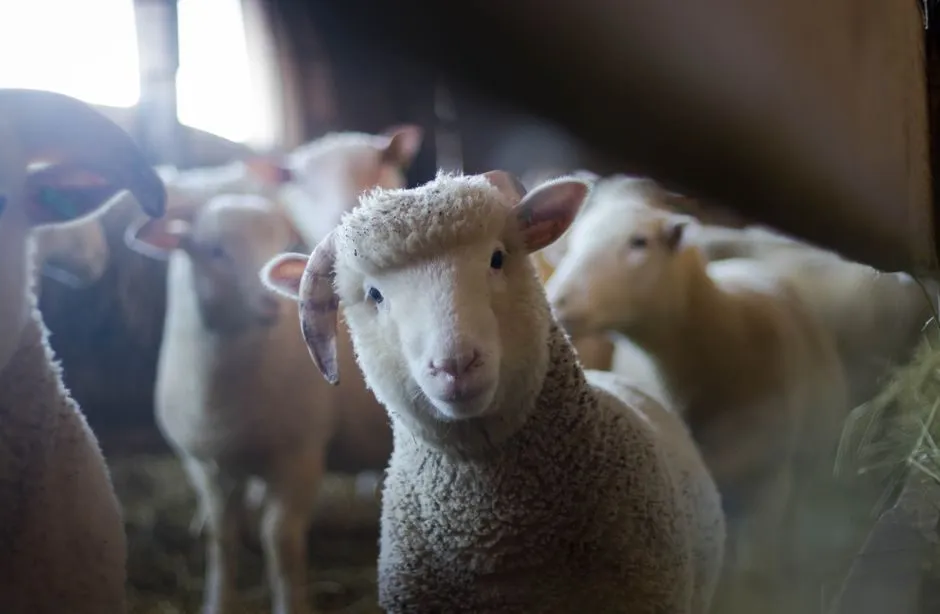
Cool, damp weather brings a range of challenges for livestock operations. Producers may notice animals showing signs of discomfort or health decline as nights grow colder and daytime temperatures fluctuate. Key symptoms of cold stress include huddling for warmth, shivering, lethargy, reduced feed intake, and a noticeable drop in body condition. For cattle, watch for changes such as decreased milk production, slower weight gain, or reluctance to leave shelter. Goats and sheep may develop a rough coat, appear hunched, or seek shelter more frequently. Poultry can show decreased egg production and increased susceptibility to respiratory issues.
It’s common to see younger, older, or thinner animals affected first. Calves, kids, and lambs are particularly vulnerable because they have less body fat and less efficient thermoregulation. Animals with wet or muddy coats, or those recovering from illness, may also be at higher risk for complications. Early recognition of these signs allows producers to make timely management changes, minimizing production losses and supporting animal welfare.
Why Are Livestock Vulnerable to Cold Snaps in Charlotte?
Charlotte’s climate typically features mild winters, but abrupt cold fronts can catch producers off guard. Livestock raised on lush summer pasture have not yet developed their full winter coats or acclimated to lower temperatures. When a sudden cold spell arrives, animals may not have adequate fat reserves or shelter to maintain body temperature efficiently.
Several factors contribute to how livestock respond to cold weather, including breed, age, body condition, and housing setup. Thin animals or those with sparse coats lose heat quickly and require more energy to stay warm. Wet, muddy, or windy conditions amplify heat loss, making even moderate cold dangerous without proper protection. Inadequate nutrition, lack of windbreaks, and frozen water sources further increase risk, leading to stress, weakened immune systems, and susceptibility to disease.
In the Charlotte region, unpredictable weather patterns in November and December mean that thoughtful preparation is essential. Producers who monitor environmental conditions and animal behavior closely are best positioned to intervene early and prevent health setbacks.
Practical Management Strategies for Cool Weather Livestock Care
Supporting your herd through cool weather involves a proactive approach to nutrition, shelter, water, and routine health checks. Each aspect plays a critical role in keeping your animals healthy, productive, and comfortable.
Nutrition: Meeting Increased Energy Demands
As temperatures drop, livestock need more calories to maintain body heat. For cattle, goats, and sheep, this means supplementing pasture with good-quality hay and possibly increasing grain or concentrate rations. Key strategies include monitoring body condition scores regularly and adjusting feed to maintain optimal weight. For example, lactating cows and ewes, as well as growing calves and lambs, require additional energy during cold snaps. Providing free-choice access to mineral supplements supports immune function and helps animals cope with stress. Avoid sudden feed changes, as digestive upsets can occur; instead, gradually increase rations as needed.
Shelter: Protecting Against Wind, Rain, and Mud
Effective shelter does not always require elaborate barns, but it should provide windbreaks and dry bedding. Portable shelters, tree lines, or sturdy three-sided sheds can offer substantial protection for cattle and small ruminants alike. Within the barn or paddock, ensure that bedding is deep and dry, using straw or wood shavings to insulate animals from cold, damp ground. Regularly inspect shelter areas for drafts, leaks, or mud accumulation, especially in high-traffic zones near feeders and waterers. For poultry, maintain a dry, well-ventilated coop to reduce the risk of respiratory illness.
Water: Ensuring Consistent Access
Hydration is critical even in cold weather, as livestock may avoid icy or frozen water sources. Producers should check troughs and waterers multiple times daily, breaking ice and refilling as necessary. Heated water buckets or automatic waterers can reduce labor and prevent dehydration. Remember that cattle and other livestock will eat less and be more prone to health issues if water is limited or too cold to drink comfortably.
Routine Health Checks and Preventive Veterinary Care
Regular observation and scheduled evaluations are essential during seasonal transitions. Routine monitoring involves checking for signs of illness such as coughing, nasal discharge, reluctance to eat, or lameness. Scheduling a herd health evaluation with our veterinary team can help identify health risks early, review vaccination status, and discuss parasite control strategies specific to the Charlotte area. For new or expanding operations, a comprehensive preventative care program will address local disease threats and support long-term productivity.
Preventing Health Setbacks: Home and Farm Actions
Preparation and vigilance are the producer’s best tools for preventing cold-weather health problems in livestock. Key steps include providing adequate nutrition as temperatures fall, ensuring shelter is clean and accessible, checking water sources daily, and observing animals for signs of illness or discomfort. It’s also important to keep bedding dry and remove manure frequently to minimize mud and disease risk. Before the season changes, inspect fences, gates, and shelter structures to ensure they are in good repair and ready for winter use.
For operations with multiple species, remember that goats and sheep are especially susceptible to cold rain and drafts, while cattle may require extra feed to maintain weight during extreme cold spells. Poultry flocks need dry, draft-free coops with good ventilation to avoid respiratory disease outbreaks. Producers who maintain clear routines and quickly adapt to changing weather conditions are most successful in keeping their animals healthy through the season.
When to Schedule a Veterinary Visit
Despite best efforts, some animals will require professional attention during the colder months. Producers should contact a veterinarian promptly if they observe persistent coughing, labored breathing, lameness, significant weight loss, or sudden drops in milk or egg production. Other warning signs include diarrhea, fever, reluctance to stand, or any animal that separates from the group and appears listless. Early intervention can prevent minor issues from becoming major health or production setbacks.
If you have questions about winterizing your operation, need assistance with herd health planning, or encounter a sudden illness in your livestock, our veterinary professionals at Ark Veterinary Services are prepared to help. We offer a full range of farm and exotic veterinary care services and can tailor a management plan to fit your operation’s specific needs.
Supporting Livestock Health Through Charlotte’s Cool Weather: Your Next Steps
As fall transitions to winter in Charlotte, proactive preparation is the foundation for a healthy, productive herd. By monitoring for early signs of cold stress, adjusting nutrition, providing shelter and fresh water, and scheduling regular veterinary checks, producers can prevent many seasonal health challenges. The veterinary team at Ark Veterinary Services is committed to supporting local operations with expert advice and comprehensive care for cattle, goats, sheep, poultry, and other farm species.
If you are searching for a reliable “farm vet near me” to guide your operation through the cool weather season, look no further than our experienced team. We encourage you to reach out and schedule a herd evaluation, discuss preventive care options, or request help with any livestock health concerns. For more information on our herd health services or to speak directly with a veterinarian, call (704) 675-7387 or visit us at 6444 Albemarle Rd, Charlotte, NC 28212.
Preparation now means healthier animals and a stronger operation all season long. Ark Veterinary Services is proud to serve Charlotte and surrounding communities with dedicated, practical support for producers and their livestock.
Our Latest Stories
 November 13, 2026 · 7 min read
Keeping Barn Cats Healthy During Cool Charlotte Falls
Help barn cats stay healthy through Charlotte’s cool fall with practical shelter, feeding, parasite prevention, and veterinary care guidance.Read More November 11, 2026 · 7 min read
Fall Allergy Management for Pets in Charlotte
Learn to recognize fall allergy signs in pets, limit common Charlotte-area triggers, and know when home care or veterinary treatment can help.Read More November 6, 2026 · 6 min read
November Pet Dental Health Tips for Dogs and Cats
Learn how to spot dental disease, maintain your pet’s oral health at home, and know when to seek professional dental care in Charlotte.Read More
Ready to schedule a visit?
Herds, horses, pigs or the whole barn: tell us who needs care and we'll find a time to come out to your farm.