
Winter in Sumter and the South Carolina Midlands rarely brings deep snow. Even so, it’s hard on horses and livestock. Bermuda and bahia pastures go dormant after the first frost, cold rain soaks coats and bedding, and a hard freeze can lock up a water trough overnight. Animals that look fine in October can lose condition by February if nobody is watching for it.
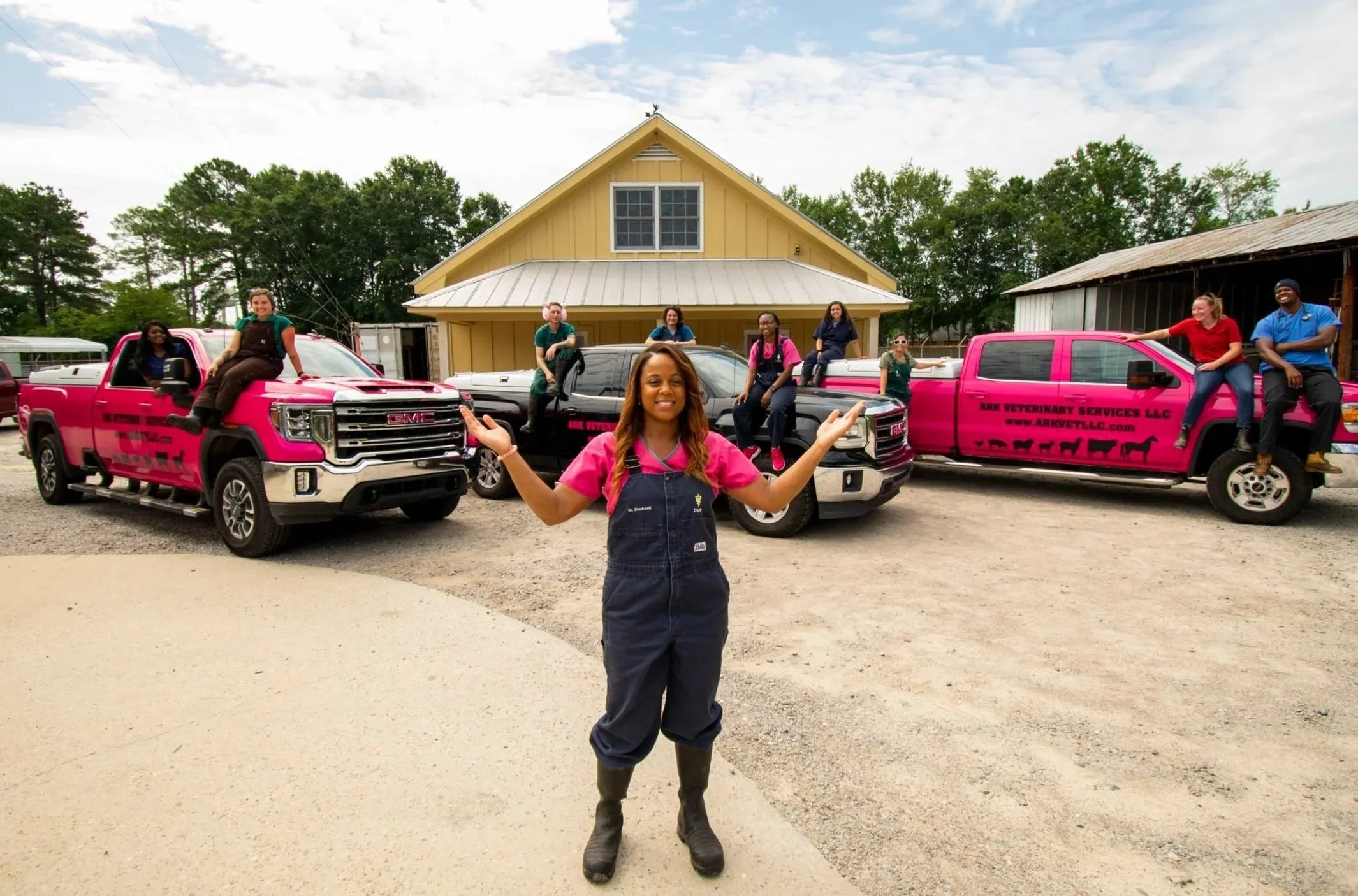
Since 2017, our mobile team has made farm calls from Sumter to Columbia, Florence, Lugoff and Camden. In that time we’ve learned that most winter problems start well before winter does. This checklist covers what we look at on fall visits to horses, cattle, goats and sheep, and what you can do on your own farm this season.
1. Plan the Winter Diet Around Your Hay
When pastures go dormant, hay becomes most or all of the diet. Not all hay is equal. Two bales that look alike can be very different in protein and energy, depending on the cutting, the weather at baling and how the hay was stored.
For cattle, winter feed is usually the biggest cost of the year, which is why extension specialists recommend testing your hay and building a supplement plan around the results.[1] Late-gestation cows need more energy and protein than hay alone can sometimes give them, and cows that calve thin often rebreed late.
For horses, good-quality grass hay is the base of the winter diet. The digestion of fiber also works like a furnace, so extra hay on a cold, wet night does more to keep a horse warm than extra grain.
On your farm:
- Pull a hay sample and have it tested before you buy or feed out the bulk of your supply.
- Store hay off the ground and out of the rain. Moldy hay causes respiratory and digestive problems, especially in horses.
- Make any change to the diet gradually, over a week or more.
2. Keep Water Open and Appealing
Water is the most overlooked winter nutrient. A typical 1,000-pound horse needs at least 10 to 12 gallons of water a day. Dry hay holds far less moisture than green pasture, so winter water needs go up, not down.[2] Horses also drink more when the water is between about 45 and 65°F, so ice-cold water can quietly cut their intake.[2]
In horses, low water intake is a leading cause of impaction colic. Cattle, goats and sheep that can’t drink enough also eat less, which costs them condition.
On your farm:
- Check troughs morning and evening on any night forecast below freezing, and break ice every time.
- Consider a trough heater or an insulated waterer where you have power.
- Clean buckets and troughs regularly. Algae and debris also discourage drinking.
3. Check Body Condition With Your Hands
Winter coats hide weight loss. A horse or cow can look round under a thick coat while it’s losing fat over the ribs, spine and tailhead. Run your hands over each animal every couple of weeks rather than relying on how they look from the fence.
For beef cows, aim to have them in moderate condition going into winter. A thin cow struggles to stay warm, carry a calf and rebreed. For horses, older animals and those with dental problems lose weight first, and they’re often the last to reach the hay when it’s fed in a group.
During a comprehensive physical exam on your farm, we score body condition and note it in your records, so you can see trends from one season to the next.
4. Deworm Based on Fecal Egg Counts
Blanket deworming every animal on a fixed calendar has helped parasites become resistant to the dewormers we rely on. A better approach is to find out which animals are actually shedding eggs.
McMaster fecal egg counts show how many parasite eggs an animal is passing. In horses, a minority of the herd usually sheds most of the eggs, so counts let us treat the high shedders and spare the rest. In goats and sheep, barber pole worm can cause serious anemia, so we also check the color of the inner eyelid and the animal’s overall condition. A follow-up count after treatment shows whether the dewormer worked on your farm.
5. Don’t Skip Teeth and Hooves
Horses depend on their teeth to break down hay. Sharp enamel points and uneven wear make chewing painful and less efficient, which can lead to weight loss, quidding (dropping half-chewed feed) and a higher risk of choke or impaction. A fall dental float puts a horse in the best position to get through a hay-based winter.
Hooves need attention too. Wet, muddy winter footing softens hooves and invites thrush and abscesses. Keep up a regular trimming schedule with your farrier, and for goats, sheep and other species we trim hooves during farm calls.
6. Provide Real Shelter, and Ventilation
Most healthy adult horses and cattle handle Midlands cold well if they’re dry and out of the wind. Cold rain is what drives heat loss, because a wet coat stops insulating. The AVMA advises that structural shelter with good ventilation and dry bedding is the best protection for livestock, with blankets as a secondary option.[3]
A closed-up barn can trap ammonia and moisture, which is hard on lungs. Aim for a run-in shed or a barn with airflow, and keep bedding dry.
7. Get Your Paperwork in Order
Winter is show, sale and trail-riding season for many South Carolina owners. Before you haul, make sure your horse’s Coggins test is current, and arrange health and transport certificates early if you’re crossing state lines. Sorting this out in fall saves a scramble when an event comes up.
Schedule a Fall Herd Health Visit
The easiest way to get ahead of winter is a single fall visit. On a herd health call, we can score body condition, run fecal egg counts, float teeth, update vaccines and talk through your feeding plan in one trip.
Ark Veterinary Services comes to you, with farm calls across Sumter, Columbia, Florence, Lugoff and Camden. Call (803) 403-7788 or request an appointment and our team will bring the truck to your farm.
Ready to schedule a visit?
Herds, horses, pigs or the whole barn: tell us who needs care and we'll find a time to come out to your farm.